
Hormones Control Many of the Body’s Most Important Systems
—energy levels, metabolism, sleep, mood, and even mental clarity. When hormones are balanced, your body functions efficiently, and you generally feel your best. But when hormones become imbalanced, the symptoms can affect nearly every aspect of daily life.
At IVRS Wellness Center, many patients come in feeling frustrated because they know something feels “off,” but they haven’t been able to pinpoint the cause. Hormonal imbalances are often overlooked or dismissed, yet they can play a significant role in how you feel day to day.
Understanding the signs of hormone imbalance can help you take the first step toward restoring balance and improving your overall health.

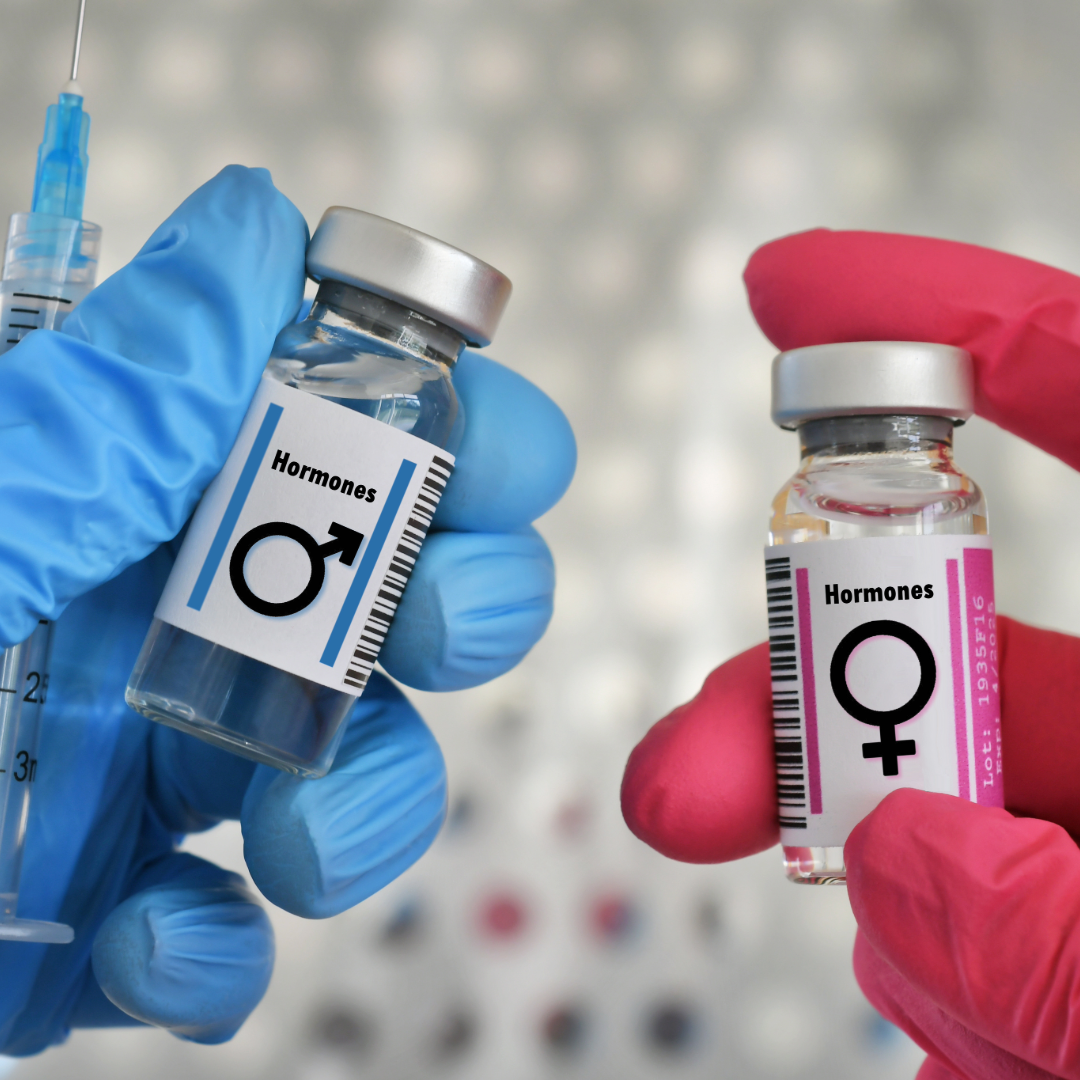
What Causes Hormone Imbalances?
Hormones are chemical messengers produced by glands throughout the body, including the thyroid, adrenal glands, and reproductive organs. These hormones regulate everything from metabolism and stress response to sleep cycles and mood.
Hormone levels can be influenced by many factors, including:
-
aging
-
chronic stress
-
nutrient deficiencies
-
inflammation
-
metabolic conditions
-
lifestyle habits
-
environmental toxins
When these factors disrupt the body’s hormonal system, symptoms may appear.
If you suspect hormones may be affecting your health, exploring hormone testing and personalized care may be the next step.
At IVRS Wellness Center, the goal is to help patients understand their bodies and create customized wellness plans designed to support energy, balance, and long-term health.
Click here to Learn more about services or schedule a consultation
10 Common Signs Your Hormones May Be Out of Balance
1. Persistent Fatigue
If you feel tired even after getting adequate sleep, hormones may be playing a role. Imbalances in thyroid hormones, cortisol, or sex hormones can all contribute to low energy and ongoing fatigue.
2. Unexplained Weight Gain
Hormones strongly influence metabolism. When hormones such as insulin, thyroid hormones, or cortisol become imbalanced, the body may store fat more easily and struggle to burn energy efficiently.
3. Mood Swings or Irritability
Hormones influence neurotransmitters that regulate mood. Changes in estrogen, progesterone, or testosterone levels can contribute to mood swings, irritability, or increased anxiety.
4. Brain Fog
Difficulty concentrating or remembering things may be linked to hormonal shifts. Hormones such as estrogen and thyroid hormones play important roles in cognitive function.
5. Poor Sleep
If you have trouble falling asleep or staying asleep, a hormone imbalance could be a factor. Cortisol and melatonin regulate sleep cycles, and disruptions in these hormones can affect sleep quality.
6. Low Libido
A decrease in sexual desire is commonly associated with hormone changes, particularly involving testosterone and estrogen.
7. Hair Thinning or Hair Loss
Hormones play a significant role in hair growth. Changes in thyroid hormones, testosterone, and other hormones can lead to thinning hair or hair loss.
8. Difficulty Losing Weight
Even with healthy eating and regular exercise, hormone imbalances can make it difficult to lose weight. Metabolic hormones, thyroid hormones, and insulin levels all influence how the body uses energy.
9. Increased Stress Sensitivity
If you feel overwhelmed by stress more easily than before, adrenal hormones such as cortisol may be involved.
10. Changes in Skin Health
Hormone changes can contribute to acne, dry skin, or changes in skin texture.
Why Hormone Imbalances Are Often Missed
Many people experiencing hormone symptoms are told their lab work is “normal.” However, traditional testing often focuses on identifying disease rather than optimizing health.
A functional medicine approach looks deeper at hormone patterns, lifestyle factors, and underlying causes that may be contributing to symptoms.
At IVRS Wellness Center, providers evaluate the full picture—including symptoms, testing, lifestyle factors, and overall health history—to create a personalized plan.
Learn more about our functional medicine approach to wellness
Personalized Hormone Therapy at IVRS
Hormone therapy is not a one-size-fits-all solution. Every individual’s hormone levels, symptoms, and health goals are unique.
At IVRS, treatment plans may include:
-
advanced hormone testing
-
personalized hormone therapy
-
nutrition and lifestyle support
-
peptide therapy
-
targeted supplementation
This personalized approach helps address the root causes of hormone imbalance rather than simply managing symptoms.
When to Consider Hormone Testing
If you are experiencing ongoing symptoms such as fatigue, weight changes, mood swings, or sleep difficulties, hormone testing may provide helpful insights.
Testing can help identify underlying imbalances and guide a personalized treatment plan designed to support long-term wellness.
Take the First Step Toward Feeling Like Yourself Again
If you suspect hormones may be affecting your health, exploring hormone testing and personalized care may be the next step.
At IVRS Wellness Center, the goal is to help patients understand their bodies and create customized wellness plans designed to support energy, balance, and long-term health.
FAQs About Hormone Imbalance
How do I know if my hormones are out of balance?
Symptoms such as fatigue, mood swings, weight gain, sleep problems, and brain fog may indicate a hormone imbalance.
Can a hormone imbalance affect men and women?
Yes. Hormone imbalances can affect both men and women and may involve thyroid hormones, cortisol, testosterone, estrogen, and other hormones.
Can hormone therapy help with fatigue?
If fatigue is related to hormone imbalance, personalized hormone therapy may help restore balance and improve energy levels.