Menopause & Women’s Hormone Health:
What’s Happening to Your Body (and What You Can Do)
Hormone Therapy at IVRS Learn More
Hormonal changes are a natural part of a woman’s life — but confusion, misinformation, and unanswered questions often make this transition far more difficult than it needs to be.
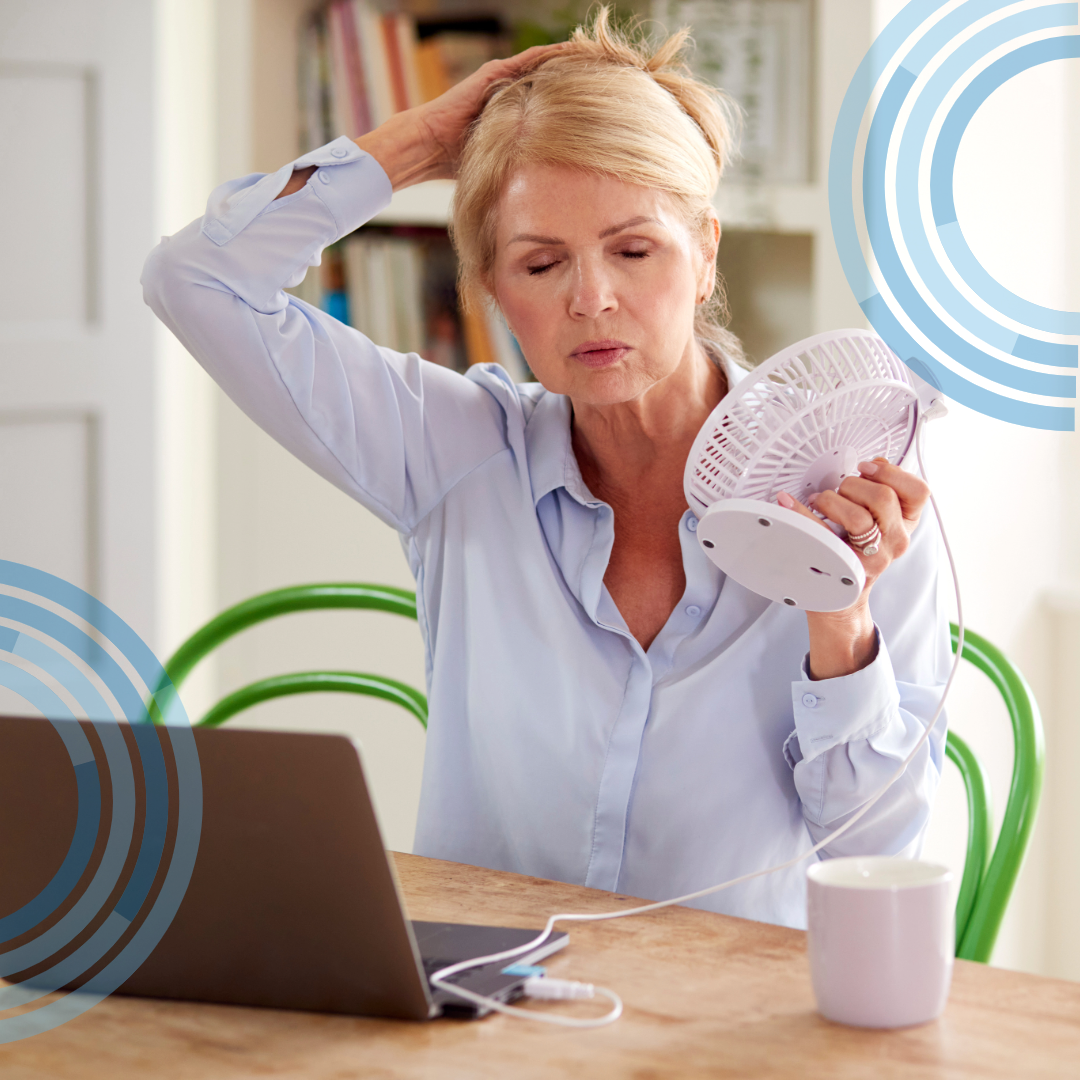
For many women between the ages of 35 and 55, symptoms like fatigue, weight gain, mood changes, poor sleep, and brain fog are often brushed off as stress or aging. In reality, these symptoms are frequently tied to perimenopause and menopause, phases marked by significant hormonal shifts.
Understanding what’s happening inside your body — and what options exist to support it — can make all the difference.
At IVRS Wellness Center, we help women navigate this transition with personalized, medically guided hormone care — because menopause isn’t something you just “power through.”
Understanding Perimenopause and Menopause
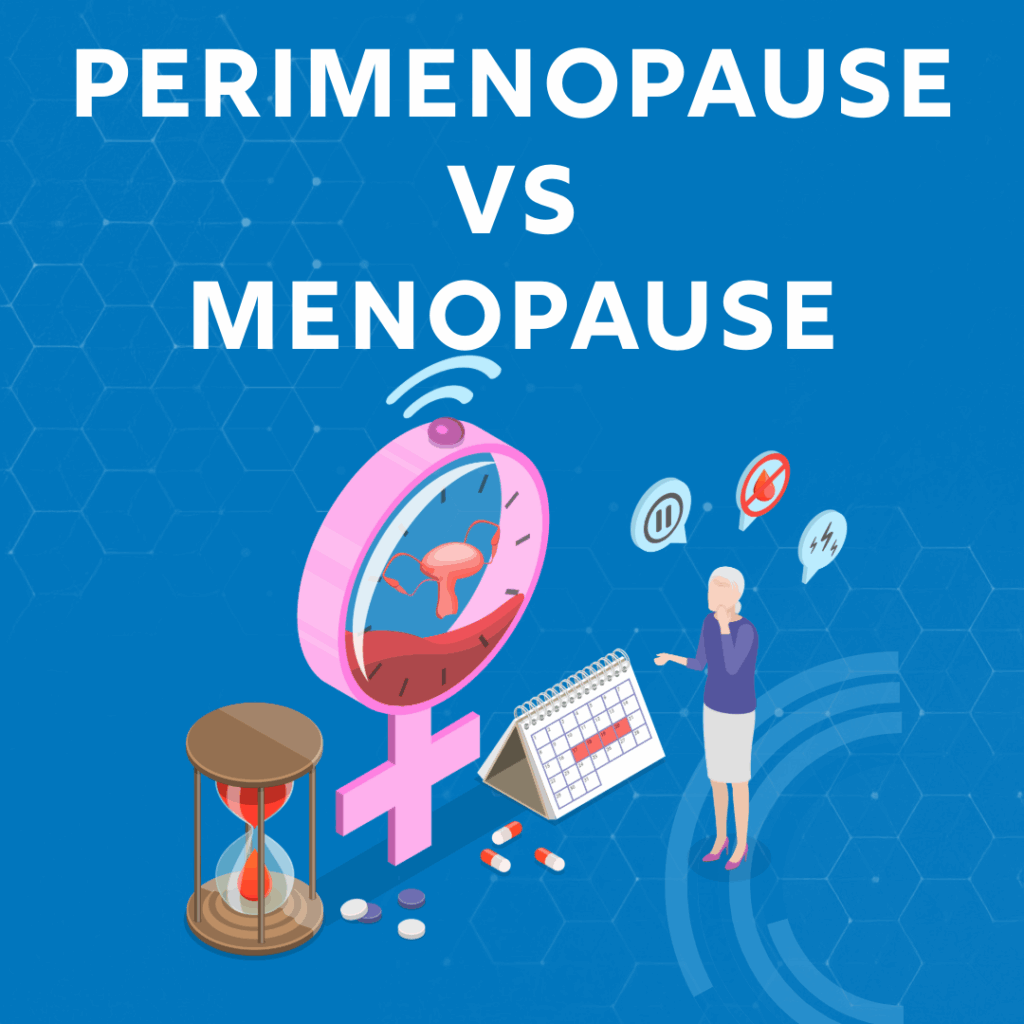
Perimenopause is the transitional phase leading up to menopause and can begin years before menstrual cycles stop. Hormone levels — particularly estrogen and progesterone — fluctuate unpredictably during this time.
Menopause is diagnosed after 12 consecutive months without a menstrual period and typically occurs between ages 45 and 55.
According to the North American Menopause Society (NAMS), many women experience symptoms for several years before and after menopause, making early education and support essential.
🔗 https://www.menopause.org/for-women/menopause-faqs
Common Symptoms of Hormonal Changes in Women
Hormones regulate far more than reproductive health. They affect metabolism, brain function, sleep cycles, mood, bone health, and cardiovascular health.
Common symptoms during perimenopause and menopause include:
-
Hot flashes and night sweats
-
Fatigue and low energy
-
Weight gain, especially around the abdomen
-
Mood swings, anxiety, or irritability
-
Brain fog and memory challenges
-
Sleep disturbances
-
Changes in libido
The Cleveland Clinic notes that symptoms can vary widely and may begin earlier than many women expect.
🔗 https://my.clevelandclinic.org/health/diseases/15226-menopause
Common Misconceptions About Hormone Therapy
Misconception #1: Symptoms are just something you have to live with
While menopause is natural, debilitating symptoms are not something women must simply endure. Many symptoms can be significantly reduced with proper evaluation and care.
Source: Mayo Clinic
https://www.mayoclinic.org/diseases-conditions/menopause/symptoms-causes/syc-20353397
Misconception #2: Hormone therapy is only for hot flashes
Hormone therapy may help support:
-
Sleep quality
-
Mood stability
-
Cognitive function
-
Bone density
-
Metabolic health
When guided by lab testing and clinical oversight, treatment is about restoring balance — not masking symptoms.
How Hormone Therapy May Help Women
Hormone therapy aims to replenish or balance hormones that decline or fluctuate during perimenopause and menopause. When appropriately prescribed, it may help women:
-
Improve energy and mental clarity
-
Sleep more consistently
-
Experience fewer hot flashes and night sweats
-
Maintain muscle mass and metabolic health
-
Feel more emotionally balanced
The American College of Obstetricians and Gynecologists (ACOG) supports hormone therapy as an effective option for managing menopause-related symptoms in appropriate candidates.
🔗 https://www.acog.org/womens-health/faqs/hormone-therapy-for-menopause
Why Testing and Personalization Matter
No two women experience menopause the same way. Age alone does not determine hormone needs.
Lab testing helps providers:
-
Identify specific hormone imbalances
-
Track patterns over time
-
Customize treatment safely and effectively
This personalized approach reduces unnecessary treatment and improves outcomes.
📚 Source: Endocrine Society
🔗 https://www.endocrine.org/patient-engagement/endocrine-library/menopause
Helpful Tips for Women Navigating Hormonal Changes
While medical support is often beneficial, lifestyle choices also play an important role in hormone health.
Helpful strategies include:
-
Prioritizing sleep and stress management
-
Supporting muscle mass through strength training
-
Eating balanced meals with adequate protein
-
Staying hydrated
-
Limiting alcohol and processed foods
-
Seeking guidance when symptoms interfere with daily life
Education and early intervention are key.
Not Sure If Hormones Are Affecting You?
Many women don’t connect their symptoms to hormonal changes until they see the full picture.
Click the link below to take a brief quiz on your symptoms to gain insight into your hormones.
This quiz was designed by Dr. Whelchel here at IVRS to help you identify common patterns associated with hormone imbalance and can be a helpful first step toward clarity.
A Better Approach to Women’s Hormone Health
Hormonal changes don’t mean the end of feeling strong, focused, and confident in your body. With the right information and support, this phase of life can be navigated with clarity and confidence.
At IVRS, women’s hormone health is approached with education, personalization, and medical guidance — because feeling “off” shouldn’t be your new normal.
Menopause & Women’s Hormone Health FAQs
What is the difference between perimenopause and menopause?
Perimenopause is the transition leading up to menopause, when hormones begin to fluctuate and symptoms may appear. Menopause is diagnosed after 12 consecutive months without a menstrual cycle.
At what age do menopause symptoms usually begin?
Many women begin noticing symptoms in their late 30s or early 40s during perimenopause, even though menopause itself often occurs between ages 45 and 55.
What are the most common symptoms of hormone imbalance in women?
Common symptoms include fatigue, weight gain, hot flashes, night sweats, mood changes, sleep disturbances, brain fog, and changes in libido. Symptoms can vary widely from woman to woman.
Is weight gain during menopause normal?
Hormonal changes can slow metabolism and shift fat storage, especially around the midsection. While common, weight gain is not inevitable and can often be managed with personalized hormone and lifestyle support.
How does hormone therapy help during menopause?
Hormone therapy works by restoring hormonal balance to help reduce symptoms such as fatigue, mood swings, poor sleep, and hot flashes. Treatment is personalized and guided by lab testing and medical oversight.
Is hormone therapy safe for women in menopause?
When properly prescribed and monitored by a medical provider, hormone therapy can be a safe and effective option for many women. Individual health history and lab results are always considered before starting treatment.
Do I need lab testing before starting hormone therapy?
Yes. Lab testing is essential to identify hormone levels and imbalances. Testing allows providers to create a treatment plan that is precise, personalized, and appropriate for your body.
How long does it take to feel results from hormone therapy?
Some women begin noticing improvements within weeks, while others may experience more gradual changes over a few months. Results depend on individual hormone levels, treatment type, and consistency.
Can a hormone imbalance affect sleep and mood?
Yes. Estrogen and progesterone play key roles in sleep regulation and mood stability. Imbalances can contribute to insomnia, anxiety, irritability, and low mood.
How do I know if my symptoms are hormone-related?
If symptoms appear during your late 30s to 50s and don’t improve with typical lifestyle changes, hormones may be a factor. A symptom assessment or hormone quiz can help identify patterns.
What is the first step to addressing menopause symptoms at IVRS?
The first step is an evaluation, which may include symptom review, lab testing, and a personalized care plan. This helps ensure treatment is tailored to your needs and goals.