Peptides come up often in conversations about weight management, recovery, and healthy aging. With so many names and claims circulating online, it can be difficult to know what applies to your health—or what is actually supported by research.
Peptide therapy covers many different substances and uses. Understanding the specific medication, its evidence, and its risks is essential before deciding whether treatment makes sense for you. At IVRS Wellness Center in Amarillo and Lubbock, that conversation begins with a medical consultation.
The safest place to begin is not with the name of an IV bag. It is with your health history, current symptoms, medications, goals, and a qualified provider’s assessment.
Key Takeaways
- Peptides are chains of amino acids, the building blocks of proteins. Different peptides have different functions.
- Treatment benefits and risks depend on the specific medication, formulation, and reason for use.
- Some peptide-based medicines have FDA-approved uses. Compounded preparations and investigational products require separate consideration.
- IVRS offers consultations in Amarillo and Lubbock to review your goals, health history, and appropriate next steps.
What Are Peptides?
Peptides are molecules made of amino acids joined together. Proteins are also made of amino acids; peptides generally refer to shorter chains. The National Cancer Institute describes peptides as substances containing two or more amino acids. [1]
The word “peptide” describes a type of molecule. It does not tell you whether a product is a medicine, a cosmetic ingredient, or an investigational substance. Two products described as peptides can have very different purposes.
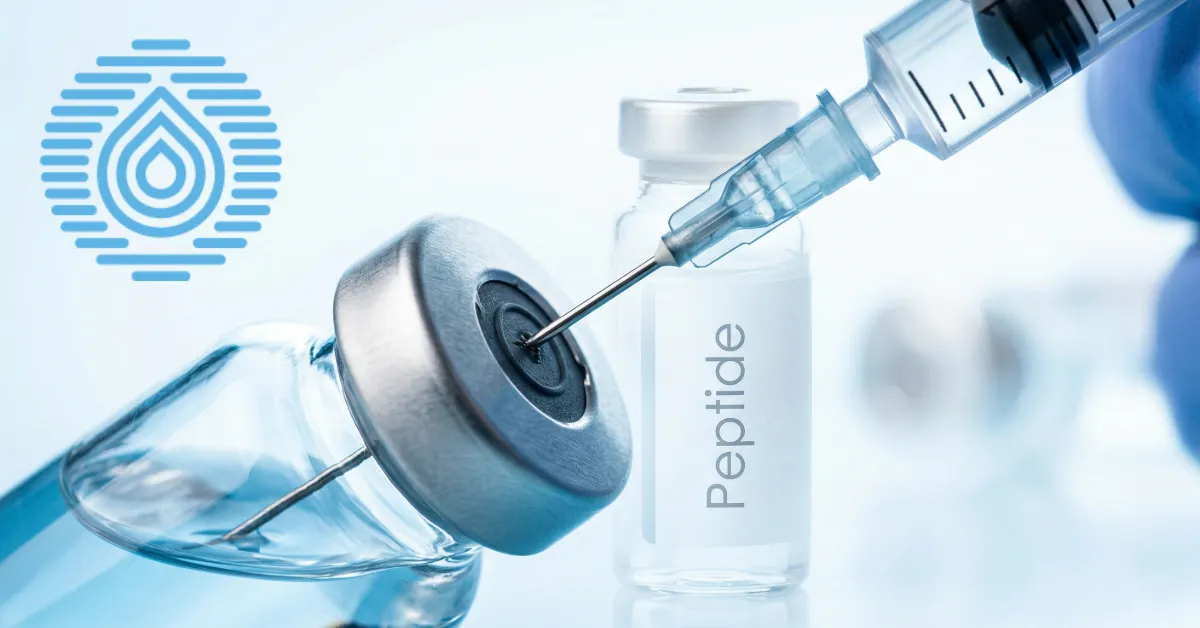

How Peptide Therapy Works
A treatment works through the biological pathways affected by its active ingredient. No single mechanism applies to everything marketed as peptide therapy.
For example, semaglutide and tirzepatide act on pathways involved in appetite and glucose regulation. Specific branded formulations have approved weight-management uses for eligible patients, alongside nutrition and physical activity. These medicines have their own prescribing requirements, side effects, and limitations. [2]
That evidence should not be applied to an unrelated peptide advertised for injury recovery, sleep, or skin health. Ask about the exact product being considered and the outcome it is intended to address.
Understanding Potential Benefits
People may ask about peptides because they want help with weight management, exercise recovery, changes in energy, or other health concerns. Your goal is a useful starting point, but it doesn’t mean a particular treatment will help.
Weight Management
Certain prescription medicines can help eligible patients manage weight. Providers consider medical history, other medications, treatment goals, and possible side effects when evaluating options. Nutrition, physical activity, and follow-up remain part of care. [2]
Recovery and Healthy Aging
Products promoted for tissue repair, muscle growth, or anti-aging need their own evidence review. FDA has identified potential safety concerns and limited safety information for several substances discussed in these settings, including BPC-157 and CJC-1295. [3]
A testimonial or laboratory finding does not establish what a treatment will do for you. During a consultation, ask what human research shows, what remains uncertain, and what other options are available.
FDA Approval and Compounded Preparations
FDA approval applies to a specific drug product and its approved uses. It does not extend to every product containing a similar ingredient or to every use promoted online.
Compounded drugs are not FDA-approved. FDA does not review their safety, effectiveness, or quality before marketing. They may meet an individual medical need, but they are not automatically equivalent to an approved product. [4]
If a compounded preparation is proposed, ask why it is needed, which pharmacy prepares it, and what evidence and safeguards apply. A product described as “natural” still needs a risk assessment.
What to Expect From a Consultation at IVRS
At IVRS, a peptide consultation gives you time to explain what you hope to address and ask questions before deciding on treatment. Your provider reviews your health history and other relevant information to determine the best next steps.
Be ready to discuss your symptoms, prescriptions, supplements, allergies, and previous treatments. Bring available lab results and tell the provider about pregnancy, breastfeeding, or plans for pregnancy. The provider may recommend additional testing when appropriate.
Depending on your needs, the next step may involve further evaluation, nutrition or lifestyle guidance, another treatment, or a referral. If a prescription is recommended, discuss how to use it, what to monitor, and when to follow up.
Safety and Follow-Up
Risks vary by product, dose, route of administration, and individual health. Some treatments can cause significant adverse effects, and limited long-term evidence can leave important questions unanswered. FDA also identifies quality problems, including contamination and incorrect ingredient amounts, as risks with poorly prepared compounded drugs. [3,4]
Ask your provider which side effects to watch for and how to contact the team with concerns. Follow the specific dosing, storage, and handling instructions provided. Never share prescriptions or inject products sold only for research purposes.
Follow-up should assess whether treatment is helping, whether side effects have developed, and whether the plan needs to change. No universal peptide schedule or guaranteed timeline for results exists.
Discuss Your Options With IVRS
If you are curious about peptide therapy, bring your questions to a consultation. Our team can help you understand the options being considered and how they fit your health history and goals.
Learn more about peptide consultations at IVRS
Find the Amarillo and Lubbock clinics
This article provides general education and does not replace individualized medical advice, diagnosis, or treatment.

Frequently asked questions
Are All Peptides FDA Approved?
No. Some peptide-based medicines have approved uses, while other products may be compounded or investigational. Ask about the status of the exact product and formulation being considered. [3,4]
Can Peptide Therapy Help With Weight Loss?
Certain prescription medicines have evidence and approved weight-management uses for eligible patients. That does not mean every peptide marketed for weight loss is effective or appropriate. A medical evaluation helps identify reasonable options. [2]
Is Peptide Therapy the Same as Hormone Therapy?
The terms describe different, sometimes overlapping areas of treatment. Some peptide medicines affect hormone pathways, but peptide therapy is not interchangeable with estrogen or testosterone treatment. Ask your provider what a proposed medication does and why they’re considering it.
How Are Peptides Administered?
The route depends on the specific medication and formulation. Some are injections; others use different routes. If your provider prescribes treatment, they will explain administration and any needed training.
Will I Need Lab Work?
That depends on your symptoms, health history, and proposed treatment. Your provider may review existing results or recommend additional tests when clinically appropriate.
How Soon Will I Notice a Change?
There is no reliable timeline for peptide therapy overall. Expected response depends on the specific treatment and goal. Your provider should explain how they will evaluate progress and when to reassess the plan.
Is Peptide Therapy Available at Both IVRS Locations?
IVRS offers peptide consultations in Amarillo and Lubbock. Contact your preferred location to discuss current options and appointment availability.
Reviewed by IVRS Wellness Center
Erin Montgomery, FNP
This article was medically reviewed by the IVRS Wellness Center provider team to help ensure the information reflects current clinical knowledge and supports informed patient education. This content is intended for educational purposes only and should not replace personalized medical advice, diagnosis, or treatment. Always consult a qualified healthcare provider regarding your individual health needs.