If your energy does not feel quite as dependable as it once did, it is natural to wonder whether a supplement could help. This August, our Supplement Spotlight at IVRS Wellness Center is ubiquinol CoQ10—a nutrient involved in cellular energy production and antioxidant protection. It is not a cure-all, but it may be worth discussing with a healthcare provider, particularly for adults who want to take a more thoughtful approach to energy and healthy aging.
What is CoQ10?
Coenzyme Q10, usually shortened to CoQ10, is a substance the body produces naturally. It is found throughout the body and is especially important inside mitochondria—the structures in cells that help convert nutrients into usable energy. CoQ10 also functions as an antioxidant, helping protect cells from oxidative stress.
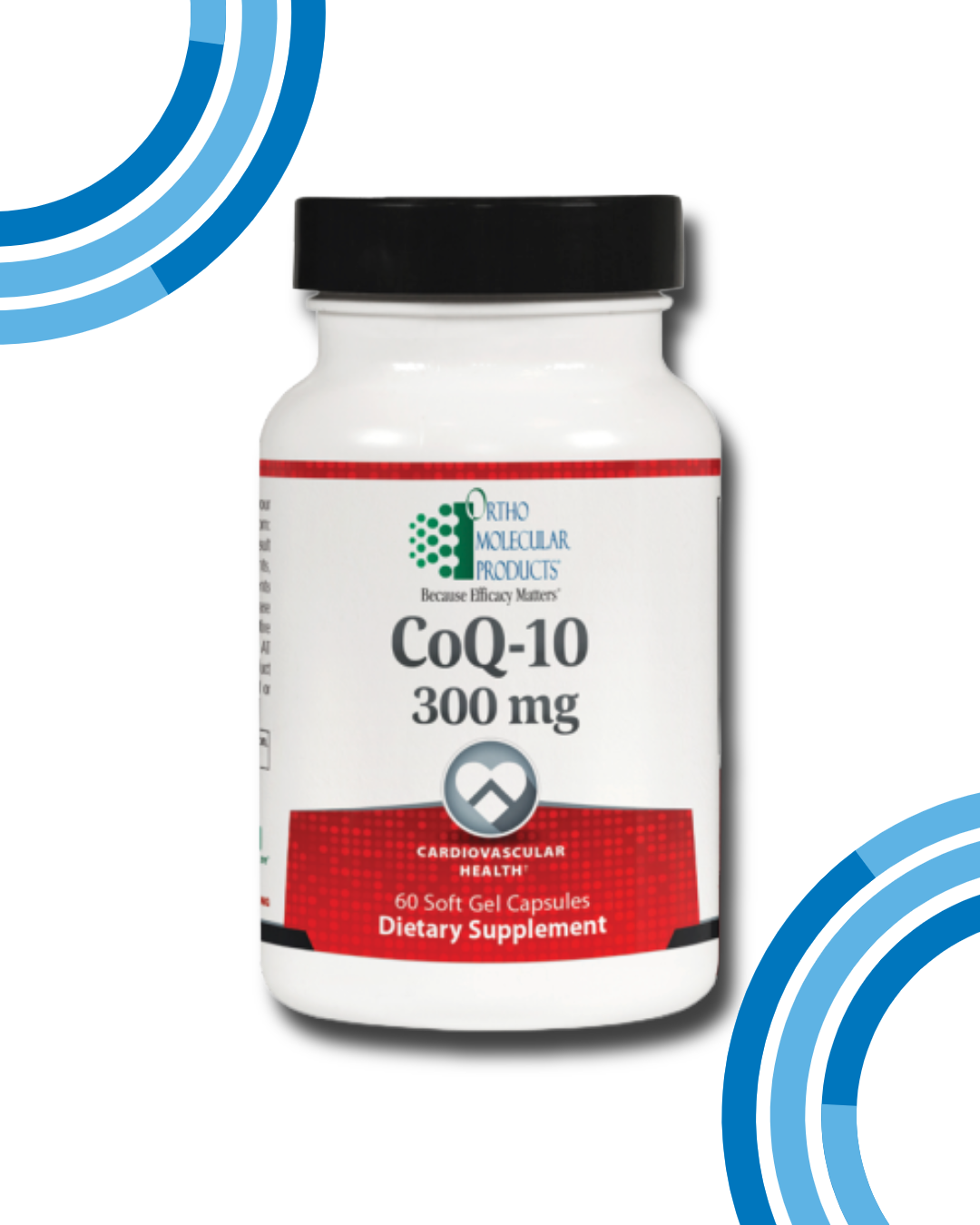
CoQ10 supplements are commonly sold in two forms: ubiquinone and ubiquinol. Ubiquinol is the reduced, antioxidant-active form. The body can convert between the two forms, but absorption can vary from person to person and from product to product. That is one reason the label, formulation, dose, and quality of a supplement all matter.
Why does CoQ10 get more attention after age 40?
Energy changes in midlife can have many possible causes, including sleep quality, stress, nutrition, hormone changes, medication effects, and underlying health conditions. A supplement should never be used to assume away persistent fatigue. However, CoQ10 is often discussed with adults over 40 because cellular energy and healthy aging become a greater focus during this stage of life.
For someone who is frequently tired, the best first step is to look at the whole picture. A provider may want to consider health history, medications, symptoms, diet, sleep, and appropriate lab work before deciding whether CoQ10 or another strategy fits.

What does research say about CoQ10 and fatigue?
Research is still developing, and results should not be treated as a guarantee. A 2022 systematic review and meta-analysis of randomized controlled trials found that CoQ10 supplementation was associated with a statistically significant reduction in fatigue compared with placebo. The studies included different populations, doses, and treatment durations, so the finding does not mean CoQ10 will improve every type of fatigue.
This distinction matters. Fatigue is a symptom, not a diagnosis. When it is persistent, severe, new, or accompanied by other symptoms, it deserves a medical conversation rather than a quick supplement purchase.
Is CoQ10 safe for everyone?
CoQ10 is generally well tolerated, but “natural” does not mean it’s appropriate for everyone. Mild digestive upset or insomnia can occur. The National Center for Complementary and Integrative Health also notes that CoQ10 may interact with warfarin and insulin and may not be compatible with certain cancer treatments. Anyone who is pregnant, nursing, managing a medical condition, preparing for a procedure, or taking prescription medication should speak with a qualified provider before beginning it.
Why supplement quality matters
Two bottles with “CoQ10” on the front may differ in form, dose, inactive ingredients, storage, and manufacturing standards. A quality product should provide transparent labeling and clear directions rather than relying on dramatic promises. At IVRS, our team can help you consider how a supplement fits into your broader wellness plan instead of treating it as an isolated fix.
August Supplement Spotlight at IVRS
Ubiquinol CoQ10 is our featured supplement for August, and it is 10% off throughout the month at IVRS Wellness Center. If you are curious whether it may fit your goals, ask our team during your next visit. We can help you understand the product, review important considerations, and decide whether a provider conversation is appropriate.
Medical note: This article is for educational purposes only and is not a substitute for individualized medical advice. Supplements are not intended to diagnose, treat, cure, or prevent disease.
Frequently asked questions
What is the difference between ubiquinol and CoQ10?
CoQ10 is the general name for the nutrient. Ubiquinol is its reduced, antioxidant-active form, while ubiquinone is its oxidized form. The body can convert between them, but absorption and individual needs can vary.
Can CoQ10 help with fatigue?
Some research suggests CoQ10 supplementation may help reduce fatigue in certain groups, but results vary and it will not address every cause of tiredness. Persistent or unexplained fatigue should be evaluated by a healthcare provider.
Is CoQ10 only for adults over 40?
No. Adults of different ages may use CoQ10, but it is often discussed after 40 as people become more focused on energy, medication effects, and healthy aging. Age alone does not determine whether it is appropriate.
Can I take CoQ10 with my medications?
Not always. CoQ10 may interact with medications including warfarin and insulin and may not be compatible with certain cancer treatments. Review your medications and health history with a qualified provider before starting it.
Key takeaways
-
CoQ10 supports normal cellular energy production and also functions as an antioxidant.
-
Research suggests supplementation may help reduce fatigue for some people, but it will not address every cause of tiredness.
-
Ubiquinol is one form of CoQ10; product quality, formulation, dose, and individual needs all matter.
-
Medication interactions are possible, so provider guidance is important before starting a supplement.
-
Ubiquinol CoQ10 is IVRS’s August Supplement Spotlight and is 10% off at IVRS throughout the month.
Reviewed by IVRS Wellness Center
Erin Montgomery, FNP
This article was medically reviewed by the IVRS Wellness Center provider team to help ensure the information reflects current clinical knowledge and supports informed patient education. This content is intended for educational purposes only and should not replace personalized medical advice, diagnosis, or treatment. Always consult a qualified healthcare provider regarding your individual health needs.