
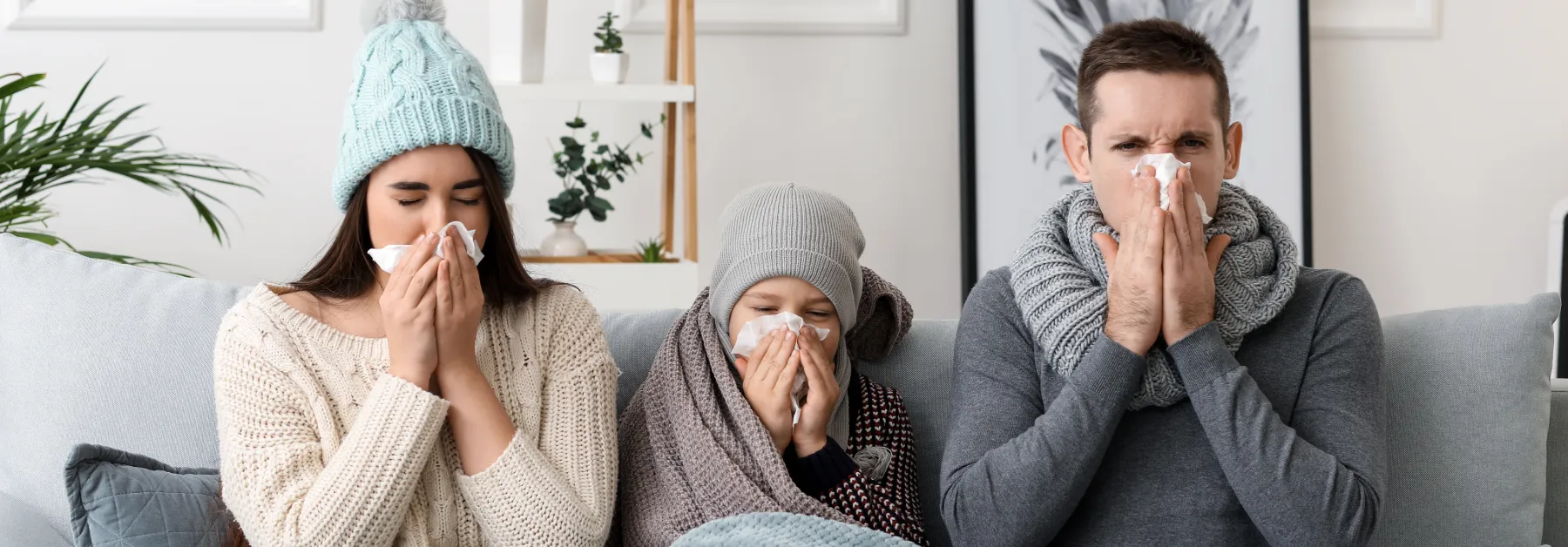
You felt fine yesterday. Today, your body aches, your head hurts, and getting off the couch feels like a major accomplishment.
Flu can arrive quickly—and when it does, knowing when to contact a provider matters.
In its November 13, 2026 update, the CDC reported that seasonal flu activity was increasing in many parts of the country. An earlier rise does not necessarily mean a more severe season, but it is a timely reminder to recognize symptoms and seek appropriate care.
At IVRS Wellness Center in Amarillo, sick visits and flu testing can help you understand your next steps.
Key takeaways
- Flu often starts suddenly with body aches, fatigue, cough, and sometimes fever.
- Antiviral treatment works best when started within 2 days of symptom onset.
- People at higher risk should contact a provider promptly rather than waiting to see how sick they become.
- A negative rapid flu test does not always rule out influenza.
What Do Flu Symptoms Feel Like?
Influenza is a respiratory infection. Symptoms commonly include:
- Fever or chills
- Cough
- Body or muscle aches
- Headache
- Significant fatigue
- Sore throat
- Runny or stuffy nose
Not everyone develops a fever. Symptoms often begin abruptly, although the experience varies from person to person.
A sore throat can occur with several illnesses, including flu. Symptoms alone may not reliably identify which infection you have, so your provider may recommend testing based on your history and examination.
Why Are the First 48 Hours Important?
Prescription antiviral medications work best when started within two days of symptom onset. They can reduce symptoms and shorten the illness, and early treatment is particularly important for people at increased risk of complications.
Contact your provider promptly if you develop flu symptoms and are pregnant, age 65 or older, immunocompromised, or living with conditions such as asthma, diabetes, or heart disease. Young children also have an increased risk.
Already past the two-day mark? Still call if you are high-risk, getting worse, or seriously ill. Treatment can still be beneficial in these situations, and timing is not a reason to skip evaluation.

What If Your Flu Test Is Negative?
Some rapid flu tests miss infections. Your provider considers the result alongside your symptoms, when they started, and community flu activity.
A negative rapid result does not always rule out flu, and you should not delay treatment solely because of a negative rapid antigen test when it is clinically indicated. Additional testing may sometimes be appropriate.
Tell your provider about any home testing you have done, including the test name and when you used it.
Flu Testing and Sick Visits at IVRS Amarillo
IVRS offers provider evaluation and flu A/B testing at its Amarillo location. If you are interested in the $299 Sick Stack, it includes:
- A sick visit with Erin Montgomery, FNP
- Flu A/B, COVID-19, and strep testing
- A Flu Fighter IV
- A Viracid blister pack
Testing and supportive treatments depend on your provider’s evaluation. Prescriptions may be provided when medically appropriate; medication costs are separate from the package.
You can also call to ask about individual sick-visit and testing options. The full Sick Stack is available only in Amarillo.
What Does the IV Do?
The Sick Stack includes our Flu Fighter IV, which provides fluids along with:
- Vitamin C
- B-Complex vitamins
- Vitamin B12
- Zinc
When appropriate, the IV provides hydration and nutrients involved in normal immune function and energy metabolism. Your provider will determine whether it fits your needs.
The Flu Fighter IV is not an antiviral treatment and does not cure influenza. It does not replace prescription flu medication or other necessary medical care.
When Does Flu Need Emergency Care?
Seek emergency medical attention for warning signs such as:
- Trouble breathing
- Persistent chest pain or pressure
- Confusion or difficulty waking
- Not urinating or other signs of severe dehydration
- Severe weakness or unsteadiness
Symptoms that improve and then return or worsen also need prompt medical attention. Children can have different warning signs, including fast breathing, ribs pulling inward with breaths, or reduced responsiveness.
What About Work, School, or Holiday Plans?
Stay home while sick and follow your provider’s instructions. CDC guidance generally allows a return to normal activities once symptoms have improved overall and you have been fever-free without fever-reducing medication for at least 24 hours.
Take added precautions for the following five days, such as wearing a well-fitting mask and improving indoor ventilation. If you have suspected or confirmed flu without a fever, CDC advises staying home from work for at least five days after symptoms begin.
Start With a Call to IVRS
If flu symptoms have interrupted your week, let us know when they started, your main symptoms, and any health conditions that may affect your care.
Call 806-322-0747 to ask about a sick visit at IVRS Amarillo. Learn more about flu testing and the Sick Stack.
Sick happens. We’re here to help.

Frequently asked questions
Can I have flu without a fever?
Yes. A normal temperature does not rule out influenza.
Do antibiotics treat flu?
No. Flu is caused by influenza viruses. Antiviral medications, rather than antibiotics, may be appropriate. Your provider determines whether another infection also needs treatment.
Should I wait for a positive test before calling?
No. Contact a provider promptly if you are high-risk or symptoms are severe or worsening. Your provider can determine whether testing or treatment should come next.
Can I receive the Sick Stack in Lubbock?
The full Sick Stack is offered at IVRS Amarillo. Contact the clinic about other appointment options.
Reviewed by IVRS Wellness Center
Erin Montgomery, FNP
This article was medically reviewed by the IVRS Wellness Center provider team to help ensure the information reflects current clinical knowledge and supports informed patient education. This content is intended for educational purposes only and should not replace personalized medical advice, diagnosis, or treatment. Always consult a qualified healthcare provider regarding your individual health needs.
Sources
- CDC: FluView Update, November 13, 2026
- CDC: Signs and Symptoms of Flu
- CDC: Treating Flu with Antiviral Drugs
- CDC: Rapid Influenza Diagnostic Tests
- CDC: What to Do If You Get Sick
- CDC: Preventing Spread When You’re Sick
- IVRS: Flu Testing and Sick Visits in Amarillo
This article provides general education and does not replace individualized medical advice. Seek emergency care for severe symptoms.